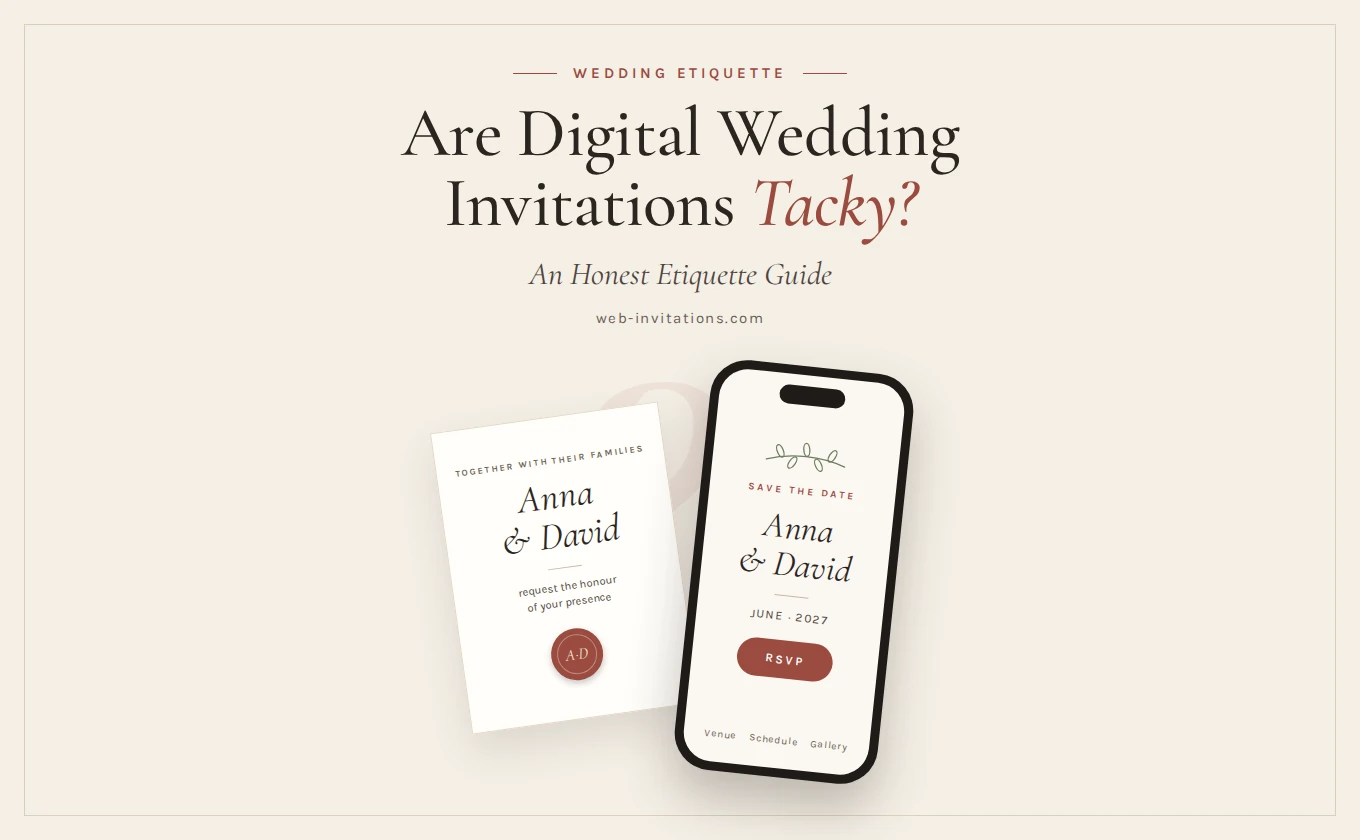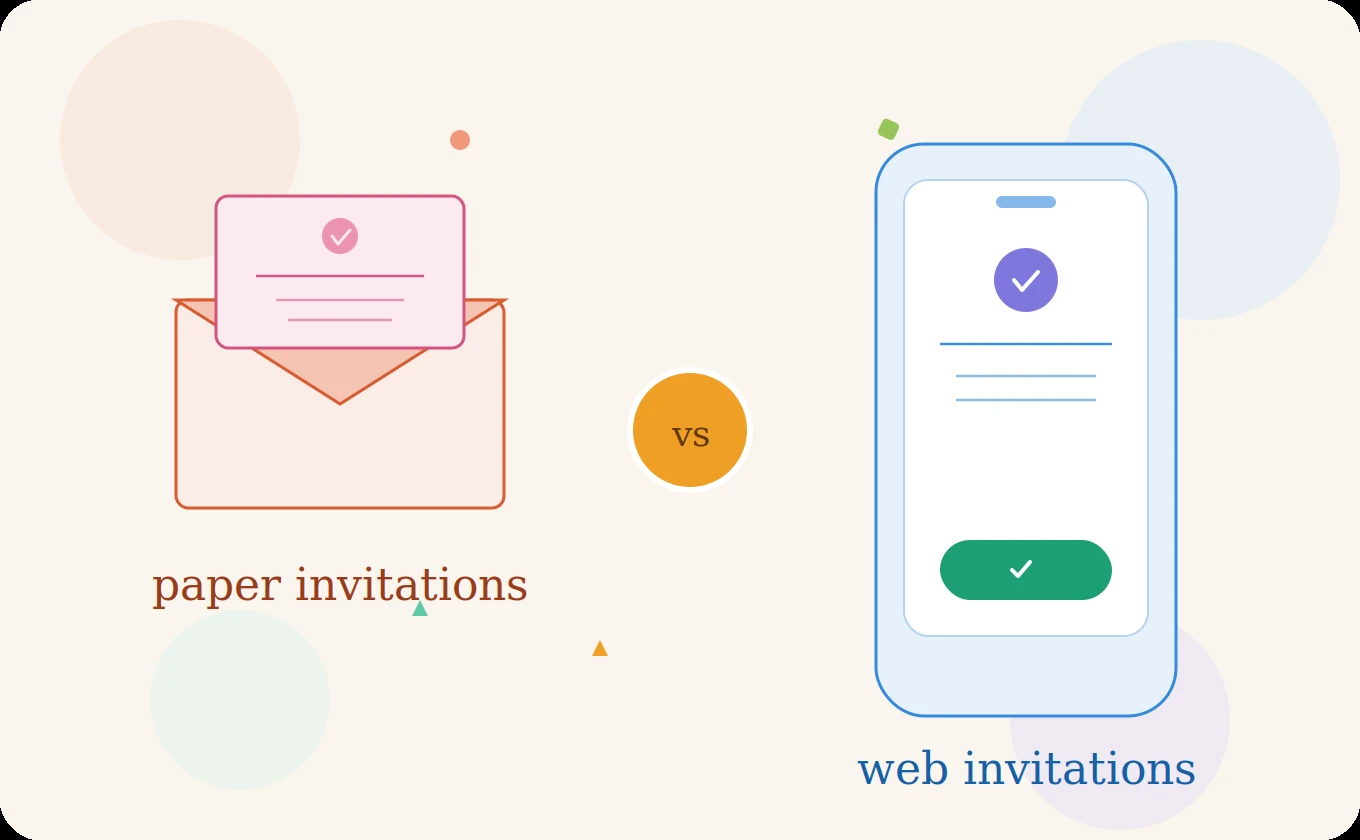
Deciding between digital and paper wedding invitations is one of the first major design decisions you will make during the planning process. This comprehensive guide breaks down the key differences in financial cost, environmental footprint, guest experience, and RSVP logistics to help you determine the best option for your wedding day.
Evaluating Environmental Impact and Sustainability
For environmentally conscious couples, the ecological footprint of wedding stationery is a primary consideration. Traditional paper suites often include multiple components: the main invitation, an RSVP card, an information card, inner and outer envelopes, and optional additions like belly bands or wax seals. Producing these paper items relies on timber harvesting, water-intensive milling processes, chemical bleaching, and physical transportation across postal networks.
While recycled paper stock, soy-based inks, and plantable seed paper offer greener alternatives within the print industry, paper suites ultimately generate physical waste once the event has passed. Even well-intentioned guests usually discard invitations after the wedding date.
Digital invitations eliminate physical paper production, ink consumption, and shipping emissions entirely. Hosting an invitation online relies on server infrastructure, which consumes electricity, but its total carbon footprint remains a fraction of traditional print and mail cycles. If minimizing environmental impact is a core value for your celebration, digital delivery provides an undeniably lower-impact solution.
Comparing Financial Costs and Administrative Logistics
Budget constraints frequently dictate stationery decisions. Paper invitations involve multiple cumulative expenses that extend far beyond initial design fees:
Printing and Materials: High-end techniques such as letterpress, foil stamping, or custom watercolor illustrations significantly increase cost per unit.
Postage: Standard stamps apply to basic envelopes, but heavy or oversized invitation suites often require additional postage for both the outgoing package and the return RSVP envelope.
Administrative Re-prints: If a venue address, start time, or registry link changes after printing, re-ordering custom paper suites causes unexpected expenses and timeline delays.
By contrast, digital platforms generally charge a flat creation fee or operate on tiered subscription models, regardless of guest count. Updates to schedules, dress codes, or venue instructions can be edited instantly without incurring additional printing or mailing costs.
RSVP management also differs dramatically between formats. Paper RSVPs rely on guests mailing back physical response cards, which leads to lost mail, forgotten deadlines, and manual spreadsheet entry for the couple. Digital platforms streamline this process through automated tracking, instant headcounts, direct dietary requirement collection, and automated reminder emails sent to non-responders.
Tactile Tradition and Guest Impressions
Despite the efficiency of digital alternatives, paper invitations maintain a distinct aesthetic and sensory appeal that digital screens cannot fully replicate. The texture of heavy cotton stock, the raised surface of letterpress lettering, and the ritual of opening a sealed envelope create an immediate sense of formality and occasion.
Paper suites set a tangible tone for black-tie or highly formal events. Furthermore, paper invitations serve as physical keepsakes for family members, close friends, and the couple themselves, who often frame their invitation suite alongside wedding photographs.
However, digital invitation platforms have evolved rapidly. Modern digital suites incorporate rich media, including bespoke animations, interactive maps, embedded music, and seamless integration with digital calendar apps. For tech-savvy guests, receiving an interactive digital invitation offers immediate convenience, allowing them to add the event to their calendar and access venue directions with a single tap.
The Hybrid Model: Finding Balance
You do not have to choose an all-or-nothing approach. Many contemporary couples adopt a hybrid invitation strategy that combines the tactile elegance of paper with the operational power of digital tools:
Paper Suite with Digital RSVP: Mail a physical paper invitation, but direct guests to a digital event website or QR code to submit their RSVP and view venue details online. This eliminates response card printing and return postage costs while preserving the tangible opening experience.
Segmented Guest Distribution: Send traditional paper invitation suites to immediate family, older relatives, and traditionalists, while sending sleek digital invitations to colleagues, friends, and tech-comfortable attendees.
Digital Save-the-Dates with Paper Invitations: Announce the date digitally to gather preliminary mailing addresses and gauge attendance, then follow up months later with a curated paper suite.
A hybrid method grants flexibility, allowing you to honor traditional presentation where it matters most while leveraging digital automation to streamline host duties and guest management.
Ultimately, your choice depends on your priorities, budget allocation, and personal taste. Whether you select the classic craft of custom paper, the eco-friendly efficiency of digital platforms, or a thoughtful combination of both, clear communication and timely updates will ensure your guests feel welcomed and fully prepared for your celebration.